Wednesday, October 22, 2014

COMMIPHORA MUKUL /COMMIPHORA WIGHTII / GUGUUL


Commiphora wightii/Commiphora Mukul with common names Indian bdellium-tree ,gugal,guggul, is a flowering plant in the family Burseraceae. The guggul plant may be found from northern Africa to central Asia, but is most common in northern India. It prefers arid and semi-arid climates and is tolerant of poor soil.

It is a shrub or small tree, reaching a maximum height of 4 m, with thin papery bark. The branches are thorny. The leaves are simple or trifoliate, the leaflets ovate, 1–5 cm long, 0.5–2.5 cm broad, irregularly toothed. It is gynodioecious, with some plants bearing bisexual and male flowers, and others with female flowers. The individual flowers are red to pink, with four small petals. The small round fruit are red when ripe.


The plant is indigenous to India. It excretes a resin, which, when fresh, is wet, fragrant, and characterized by golden hue. When diluted with water the substance forms an emulsion, when exposed to sun it melts, and may be burnt in fire.

Gum oleoresin is applied in herbal medicine.

Active Components:

Bitter elements

Gum oleoresin

Volatile oil

Used For: 

The herb is known to promote metabolism, reduce pains and spasms, relieve constipation and flatulence, treat diarrhea, induce menstruation, promote expectoration, calm the nervous system, rejuvenate and stimulate the body.

The range of conditions in which Indian Bedellium is applied includes: hemorrhoids, gout, endometriosis, diabetes, cystitis, high cholesterol, cervical gland enlargement, bronchitis, arthritis, abscesses, ulcers, tumors, skin conditions, rheumatic conditions, neurosis, nervous conditions, lumbago, leukorrhea, and indigestion.

Preparation and Intake: The herb is applied in form of pills and powders.

Safety: 

The plant may affect kidneys and cause rashes. Don’t consume pungent and sour meals when using the plant.
There is no further data concerning the herb’s safety level. Speak to your health-care provider before using the herb and administer it only under medical control.


Tuesday, October 21, 2014

ROSA DAMASCENA / ROSA CANINA / ROSE FLOWER


Kingdom     Plantae
Division    Magnoliophyta
Class       Magnoliopsida
Order       Rosales
Family      Rosaceae
Subfamily   Rosoideae
Genus       Rosa


A rose is a woody perennial of the genus Rosa, within the family Rosaceae. There are over 90 species and . They form a group of plants that can be erect shrubs, climbing or trailing with stems that are often armed with sharp prickles.

Rose flowers vary in size and shape and are usually large and showy, in colours ranging from white through yellows and reds. Most species are native to Asia.Roses for the longest time have enjoyed the honor of being the most popular flowers in the world. The reason for popularity of the rose flower may be its wide variety in terms of color, size, fragrance and other attributes.


Some interesting facts about rose flower:

here are over 90 species of the rose.
We usually call the sharp spikes on the stem of a rose bush "thorns". But these are in fact technically prickles.
The flowers of most species of rose have five petals except for the species 'Rosa sericea' which has only four.
The name "Rose" is often used as a girl's name in English speaking countries.
For hundreds of years the rose has been widely recognized as a symbol of love, sympathy or sorrow.
The rose is most commonly used as an ornamental plant grown in the garden for its beautiful flowers.
The rose can be used in perfumes. The nice scent of the rose comes from microscopic perfume glands on the petals. Sometimes rose petals are also dried and packed for commercial use as decoration or for scent.
Because they're low-maintenance and nice to look at, rose shrubs (classified as a shrub even though some don't look like shrubs for example the climbing rose) are used as landscape plants for hedging (the thorns can discourage intruders) or planted on hillsides as a slope stabilizing method to stop soil erosion.
The fruit of a rose is called a rose hip. The berry-like hip are usually red in color but some can be dark purple or black.
Rose hips of some species are extremely rich in vitamin C, because of this the hip is sometimes made into jam, jelly, or brewed for tea. The hip also has minor medicinal uses, used in food supplements and can be pressed or filtered to make rose hip syrup. Hip seed oil is also used in skin products and makeup products.

Medicinal and cosmetic uses of Rose flower:

antidepressant ,antispasmodic ,aphrodisiac ,astringent ,antibacterial ,antiviral ,antiseptic, anti-inflammatory ,blood tonic cleansing, digestive stimulant ,expectorant ,increases bile production ,kidney tonic ,menstrual regulator.

Key Components :

volatile oil
vitamins and minerals (especially A, B, E, and K, potassium and iron)
Medicinal Parts
Flowers, petals, rosehips, root, root bark, essential oil

There are some 300 chemical constituents of which only about 100 have been identified.

Depending on the source, some rose teas are able to supply as much as 1000 mg. per cup. Recent studies now indicate that taking more than 2000 mg. of vitamin C per day changes the vitamin into a pro-oxidant that actually increases cellular damage caused by unstable free radicals. Other experts seem to think that this action takes place with as little as 1000 mg. of vitamin C per day.


The seeds of the Japanese rose are used in Oriental medicine as a diuretic and laxative.

Infusions of dried rose petals are used for headaches and taken after meals to aid digestion.

Steam inhalation of a decoction of rose petals, mint, and cloves help induce sleep.

Compresses soaked in infusions of the dried flowers make a good anti-inflammatory remedy for the eyes or any other inflamed area of the body and applied cool for headaches.

Rosehip tincture is an effective astringent for treating diarrhea or in relieving colic or as a component in cough remedies.

Rosehip syrup is used as a cough remedy or taken as a source of vitamin C.

Rosehip decoction is taken with other herbs to treat chronic diarrhea associated with stomach weaknesses.

Flower decoctions are taken with motherwort for heavy menstruation or combined with Chinese herbs for liver dysfunctions.

Tinctures from the petals are used for diarrhea or sluggish digestion. When combined with other herbs, they areused to treat irregular or heavy menstruation.

Gargles made from petal infusions, used alone or combined with sage, are used for sore throats.

Creams from the essential oil are used to treat dry or inflamed skin.

Lotions from the essential oil are combined with lady’s mantle tincture for vaginal itching.

Rosewater combined with equal amounts of witch hazel is used as a moisturizing lotion for skin prone to pimples or acne. (Rosewater is a by-product of the steam distillation of Bulgarian rose oil and is used as a skin remedy.)

A few drops of essential oil can be added to bathwater for depression, grief, or insomnia.

Massage oil is made by mixing a few drops of essential oil with a neutral oil and used to relieve stress and exhaustion or for sluggish digestion.

Traditional Uses
The dried hips of the wild rose are especially high in vitamin C, having three times that of citrus fruits, and have long been used to prevent scurvy.

The Chinese use the flowers as a qi or energy stimulant and blood tonic to relieve stagnant liver energies. They are also used for digestive irregularities or with motherwort for heavy menstruation.

The Damask rose blooms for only a couple of weeks, during which time the petals are collected and steam distilled to produce true Bulgarian rose oil used in about 96% of all women’s perfumes. Medicinally, it is an important nervine used for depression and anxiety.

The cabbage rose is used to produce French rose oil, which differs significantly in its chemical composition from Bulgarian rose oil and has a reputation as an aphrodisiac.

Monday, October 20, 2014

ROSA DAMASCENA OIL / INDIAN ROSE OIL


Rose Oil

Rose oil is produced by steam distillation of fresh rose blooms. rose oil is a 100% pure and organic product used in creams, lotions and soaps for its mild anti-viral and bactericidal properties, as well as for its fragrance. Rose water recovered from the distillation of rose oil is beneficial for cleaning and refreshing dry, sensitive skin. Beside being used as a medicine in cosmetics and aromatherapy.

Rose oil are highly use in perfumery, aromatherapy, skin care and may others special aroma products. It takes many pounds of rose petals to make just one ounce of oil. rose oil has a deep, rosy, fresh aroma, the color ranges from clear to a pale yellow or greenish tint. 

Let your skin experience the goodness of rose with this Rose  Oil. For all those men and women looking for an oil that can relieve you from stress, Rose Essential Oil could be an apt choice. Also, Rose Oil acts as a general skin tonic with astringent properties that can tighten your skin tissues. You can also be free from asthma, headache and migraine with the help of Rosel Oil. You need not worry about any kind of skin irritation as Rose Oil is non-toxic.

Besides moisturizing your skin, rose natural Oil also fixes broken capillaries on your skin, leaving skin soft and supple. Your digestion problems and menstrual problems will be taken care of by rose Oil. Suitable for all skin types.

The Rose, which is the leading flower of the day is a wonderful creation of nature, which gives to world symbol of love, friendship, good health, sensuality, happiness, skin care etc. All Atmospheres has a heavenly smell in the presence of Rose, when we talk about rose; our body feels a wonderful freshness.   


Saturday, October 18, 2014

AZADIRACHTA INDICA / NEEM


Azadirachta indica, also known as Neem and Indian Lilac is a tree in the mahogany family Meliaceae. It is one of two species in the genus Azadirachta, and is native to India and the Indian subcontinent  Typically growing in tropical and semi-tropical regions. Neem trees now also grow in islands in the southern part of Iran. Its fruits and seeds are the source of neem oil.

Neem leaf is used for leprosy, eye disorders, bloody nose, intestinal worms, stomach upset, loss of appetite, skin ulcers, diseases of the heart and blood vessels (cardiovascular disease), fever, diabetes, gum disease (gingivitis), and liver problems. The leaf is also used for birth control and to cause abortions.

The bark is used for malaria, stomach and intestinal ulcers, skin diseases, pain, and fever.

The flower is used for reducing bile, controlling phlegm, and treating intestinal worms.

The fruit is used for hemorrhoids, intestinal worms, urinary tract disorders, bloody nose, phlegm, eye disorders, diabetes, wounds, and leprosy.

Neem twigs are used for cough, asthma, hemorrhoids, intestinal worms, low sperm levels, urinary disorders, and diabetes. People in the tropics sometimes chew neem twigs instead of using toothbrushes, but this can cause illness; neem twigs are often contaminated with fungi within 2 weeks of harvest and should be avoided.

The seed and seed oil are used for leprosy and intestinal worms. They are also used for birth control and to cause abortions.

The stem, root bark, and fruit are used as a tonic and astringent.


Detailed benefits of Neem

1 Anti-cancer benefits of neem
Neem has many incredible medicinal benefits, but one of the most important things is, it kills cancerous cells. Every one of our bodies has cancerous cells, but normally, they are disorganized. If you create certain situations in the body, they will get organized. The shift from petty crime to organized crime is a serious problem. As long as they are loafing around by themselves, it is not an issue. If they all gather in one place and hit it off, it becomes a problem. If you consume neem every day, it keeps the number of cancerous cells in the body within a certain percentage, so that they will not gang up against the system.

2 Anti-bacterial benefits of neem

The world is full of bacteria. The body is full of bacteria. There are more microorganisms living in you than you can imagine. Without them, you cannot digest anything – in fact, you cannot exist. Most bacteria are helpful, but some of them can cause you trouble. Your body constantly spends energy to manage bacteria. If excess levels of bacteria occur, you will feel down because your defense mechanism has to spend too much energy to fight them. By using neem internally and externally, you manage the bacteria in such a way that they will not overgrow and you will not have to spend the body’s energy on fighting them. If you consume a certain amount of neem on a daily basis, it will destroy the troublesome bacteria in the intestinal region, and your colon will generally remain clean and free of infection.


3 Benefits of neem for yogic sadhana

Above all, neem generates heat in the body. Generation of heat in the body is supportive for generating intense forms of energy within the system. Different qualities can be predominant in the body – two of these are sheeta and ushna, in traditional terms. The closest word for “sheeta” in English is “cold,” but that is not exactly what it is. If your system moves towards sheeta, the mucus levels in the body will go up. Excess mucus in the system is linked to a variety of conditions, from a common cold and sinusitis to many other issues.


Thursday, October 16, 2014

OCIMUM TENUIFLORUM /TULSI


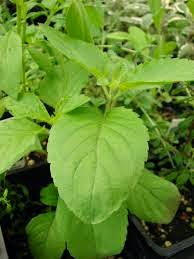
Ocimum Tenuiflorum and TulasÄ«,in Hindi is an aromatic plant in the family Lamiaceae which is native to the Indian Subcontinent It is an erect, many branched subshrub, 30–60 cm tall with hairy stems and simple opposite green or purple leaves that are strongly scented. Tulasi is cultivated for religious and medicinal purposes, and for its essential oil. It is widely known across the Indian Subcontinent as a medicinal plant and an herbal tea, commonly used in Ayurveda.

Besides praying to the plant, a number of people advice including the leaves and roots of the plant in various medical decoctions.

With immense benefits right from clear skin to dissolving kidney stones, tulsi is tonic for the entire body. Here are the top 10 benefits of tulsi.

Cures a fever: Tulsi has very potent germicidal, fungicidal, anti-bacterial and anti-biotic properties that are great for resolving fevers. It has the potential to cure any fever right from those caused due to common infections to those caused due to malaria as well. In ayurveda, it is strongly advised that a person suffering from fever should have a decoction made of tulsi leaves. In case of a fever boil a few leaves of tulsi with powdered cardamom in half a litre of water( The proportion of tulsi to cardamom powder should be in the ratio 1:0.3). Let it reduce to half its total volume. Mix this decoction with sugar and milk. Sip every two to three hours. This remedy is especially good for children.

Beats diabetes: leaves of holy basil are packed with antioxidants and essential oils that produce eugenol, methyl eugenol and caryophyllene.  Collectively these substances help the pancreatic beta cells (cells that store and release insulin) function properly. This in turn helps increase sensitivity to insulin. Lowering one’s blood sugar and treating diabeteseffectively. An added advantage is that the antioxidants present in the leaves help beat the ill effects of oxidative stress.

Protects the heart: Tulsi has a powerful anti-oxidant component called Eugenol. This compound helps protect the heart by keeping one’s blood pressure under control and lowering his/her cholesterol levels. Chewing a few leaves of tulsi on an empty stomach everyday can both prevent and protect any heart ailments.

Beats stress: According to a study conducted by the Central Drug Research Institute, Lucknow, India, tulsi helps to maintain the normal levels of the stress hormone – cortisol in the body.  The leaf also has powerful adaptogen properties (also known as anti-stress agents). It helps sooth the nerves, regulates blood circulation and beats free radicals that are produced during an episode of stress. People who have high stress jobs can chew about 12 leaves of tulsi twice a day to beat stress naturally.

Dissolves kidney stones: The holy basil being a great diuretic and detoxifier is great for the kidneys. Tulsi helps reduce the uric acid levels in the blood (one of the main reasons for kidney stones is the presence of excess uric acid in the blood), helps cleanse the kidneys, the presence of acetic acid and other components in its essential oils helps in breaking down kidney stones and its painkiller effect helps dull down the pain of kidney stones. To relieve kidney stones one must have the juice of tulsi leaves with honey, every day for six months to help wash out the stone from the kidney.
Heals respiratory conditions: Tulsi has immunomodulatory (helps to modulate the immune system), antitussive (suppresses the cough center, reducing the amount of cough) and expectorant properties (helps expel phlegm from the chest), that make it a great relief for coughs, cold, and other respiratory disorders including chronic and acute bronchitis. Another great property of this leaf is that it has anti-bacterial and anti-fungal properties that help to beat the infection causing the respiratory problem. It also relieves congestion since it contains potent components like camphene, eugenol and cineole in its essential oils. Its anti-allergic and anti-inflammatory properties also help to treat allergic respiratory disorders.

Beats cancer: With strong anti-oxidant and anti-carcinogenic properties tulsi has been found to help stop the progression of breast cancer and oral cancer (caused due to chewing tobacco). This is because its compounds restrict the flow of blood to the tumour by attacking the blood vessels supplying it. Have the extract of tulsi every day to keep these conditions at bay.

Helps to quit smoking: Tulsi is known to have very strong anti- stress compounds and is great to help one quit smoking. It helps by lowering the stress that may be involved in trying to quit smoking, or stress that leads to the urge to smoke. It also has a cooling effect on the throat just like menthol drops and helps control the urge to smoke by allowing the person to chew on something. Ayurveda relies heavily on tulsi leaves as a smoking cessation device. Keep some leaves with you and chew it whenever the urge to smoke arises. Another plus is that the antioxidant property of the leaves will help fight all the damage that arises out of years of smoking.

Keeps your skin and hair healthy and glowing: The holy basil has powerful purifying properties. When eaten raw, it purifies the blood giving the skin a beautiful glow, and prevents the appearance of acne and blemishes. Its anti-bacterial and anti-fungal properties are very effective in preventing breakouts on acne prone skin. Ayurvedic doctors say that this herb can cure difficult skin conditions like those caused due to ring worms and even leucoderma. Apart from all this, it helps in reducing itchiness of the scalp and helps to reduce hair fall. Mix the powder in coconut oil and apply regularly to the scalp to prevent hair fall. Eating tulsi leaves, drinking the juice, or adding its paste to a face pack can help cure skin and hair conditions.

Cures a headache: Tulsi helps to relieve headaches caused due to sinusitis, allergies, cold or even migraines. This is because it has pain relieving and decongestant properties,  that help relieve the pain and resolve the root cause of the condition. If you are suffering from a headache, make a bowl of water that has been boiled with crushed tulsi leaves or tulsi extract. Cool the water till it is room temperature or bearably hot. Place a small towel in it, wring out the excess water and place this on your forehead to treat a headache. Alternatively you could dip a towel in plain warm water and add a few drops of tulsi extract to the towel for immediate relief.

Tuesday, October 14, 2014

WITHANIA SOMNIFERA /ASHWGANDHA


Withania Somnifera , Ashwaghandha in hindi  also known as is a herb that is used as a general tonic and helps the body adapt to stress

It has been traditionally used to nourish the bones, muscles and tissues whilst improving strength and stamina. It helps combat negative effects of tiredness and strain on the body as well as strengthening the central nervous system, thus allowing the body to recuperate sufficiently during sleep. It has also been used to rejuvenate the male reproductive system.

Benefits:
Improves strength and stamina
Helps combat tiredness and body strain
Strengthens the central nervous system
Rejuvenates the male reproductive system
How to use:

Adults (14 yrs and above) 2 teaspoons once a day after meal with milk or water at bedtime.

As an herbal dietary supplement for adults, take one (1) vegetable capsule up to two (2) times daily, preferably at mealtime, or as directed by a healthcare practitioner.

Caution:
Do not take on an empty stomach
Not suitable for pregnant women
Not recommended for children under the age of 14 years
Food supplement should not be used as a substitute for a varied diet
Keep out of reach of children

Sunday, October 12, 2014

BACOPA MONNIERI / BHRAMI


Bacopa monnieri, or Bhrami in Hindi is commonly used in Ayurvedic medicine, has an age-old reputation for being an effective and powerful herb helpful for memory and combating stress. Bacopa monnieri, acts as an adaptogen; which means it helps the body adapt to new or stressful situations. The following facts show the power and versatility of this therapeutic plant.
1. Supports the Brain
2. Promotes Liver Health
3. Protection Against Neonatal Hypoglycemia
4. Positively Impacts Opioid Dependence
5. Fights Systemic Redness and Swelling
6. Encourages Normal Blood Pressure